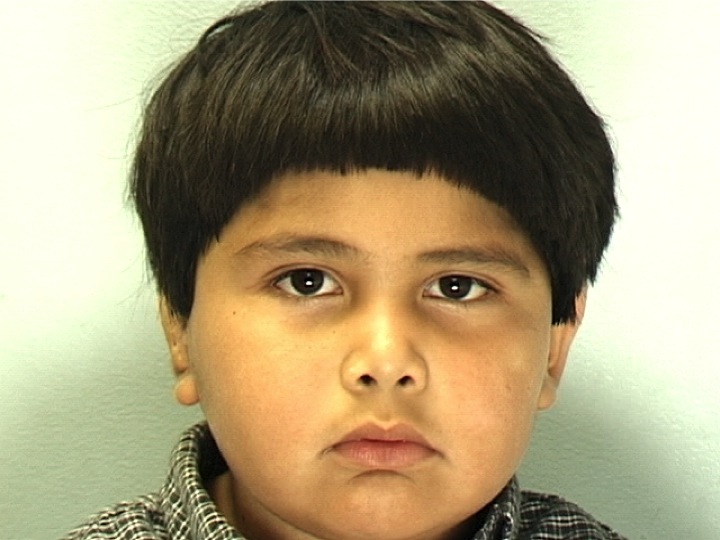
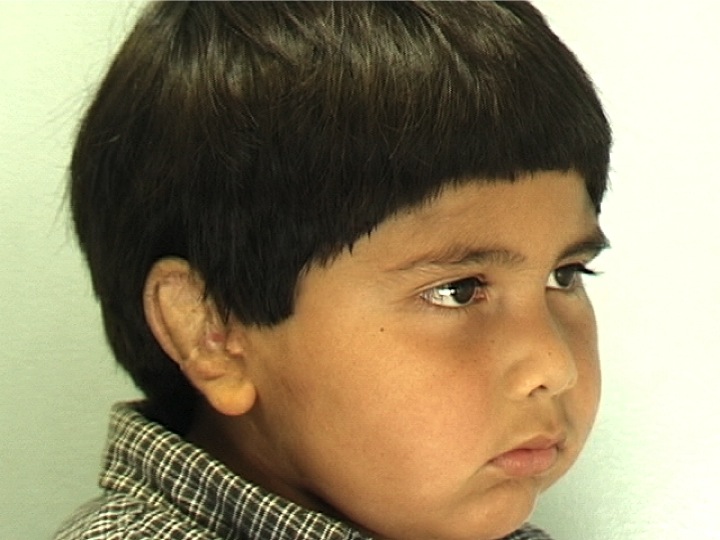
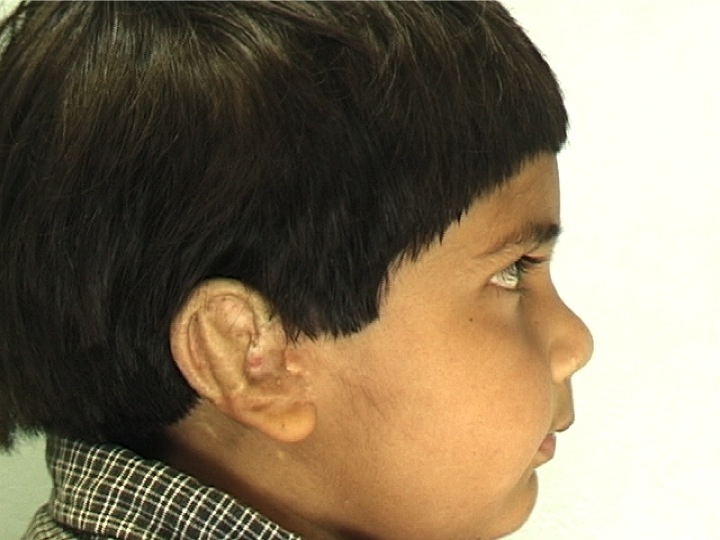
Understanding Microtia & MEDPOR Reconstruction
What is Microtia?
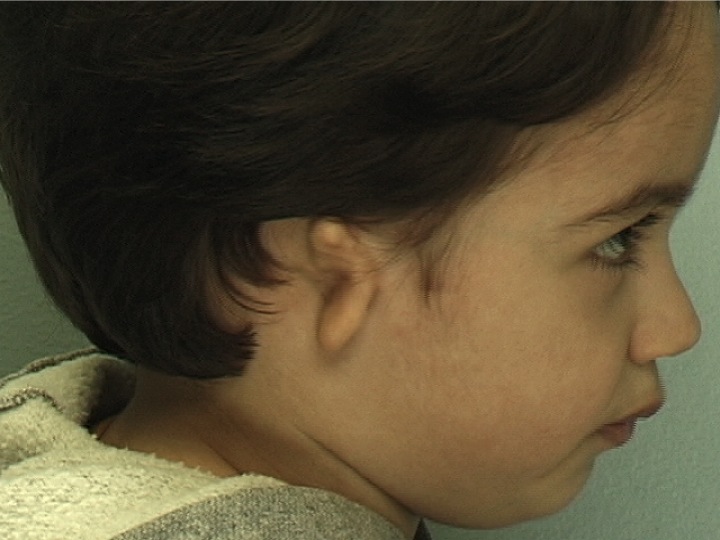
Microtia is a congenital condition present at birth where the external ear (auricle) is underdeveloped. It ranges in severity from mild structural abnormalities to complete absence of the ear (anotia). Microtia occurs in approximately 1 in 6,000 to 12,000 births and can affect one or both ears, though unilateral (one-sided) cases are more common.
In addition to the visible ear deformity, many children with microtia also have associated conditions such as aural atresia (underdeveloped or absent ear canal) or hemifacial microsomia (underdevelopment of one side of the face).
Grades of Microtia
- Grade I: Mild deformity with all ear structures present but smaller than normal
- Grade II: Moderate deformity with some normal structures but significant underdevelopment
- Grade III: Severe deformity with only a small peanut-shaped remnant of ear tissue
- Grade IV (Anotia): Complete absence of the external ear
What is MEDPOR?
MEDPOR is a porous high-density polyethylene material that has been used safely in reconstructive surgery for over 30 years. Its unique porous structure allows the patient's own tissue and blood vessels to grow into the implant, creating a stable, permanent framework that becomes integrated with the body.
MEDPOR vs. Rib Cartilage Reconstruction
There are two primary surgical approaches to microtia reconstruction:
- MEDPOR Framework Method: Uses a pre-carved polyethylene implant covered with a temporoparietal fascia flap and skin graft, typically completed in 1-2 surgeries
- Autologous Rib Cartilage Method: Uses the patient's own rib cartilage to construct an ear framework, typically requiring 3-4 surgeries over 1-2 years
The MEDPOR approach offers advantages including fewer surgeries, no rib harvest site, earlier reconstruction timing, and well-defined ear details. However, it requires meticulous surgical technique and careful patient selection to achieve optimal outcomes.
Ideal Timing for Surgery
MEDPOR microtia reconstruction can typically be performed when the child is 3-4 years old, earlier than rib cartilage reconstruction which usually requires waiting until age 6-10. Early reconstruction can provide psychological benefits by reducing teasing and improving self-esteem before school age.
However, each case is unique, and Dr. Kim will recommend the optimal timing based on the child's individual anatomy, overall health, and family circumstances.
The Surgical Procedure
MEDPOR microtia reconstruction is typically performed in 1-2 stages:
Stage 1 - Ear Framework Construction (4-6 hours):
- A pre-carved MEDPOR framework is selected and customized to match the opposite ear
- The temporoparietal fascia (TPF) flap is harvested from the scalp area
- The MEDPOR framework is positioned and secured
- The TPF flap is draped over the framework to provide blood supply
- A skin graft (usually from the scalp) is applied over the flap
- The ear is dressed with supportive bolsters and bandages
Stage 2 - Earlobe Transposition & Tragus Construction (optional, 2-3 hours):
- Performed 3-6 months after the first stage if needed
- The earlobe remnant is repositioned to match the new ear
- Additional refinements and contouring may be performed
Ideal Candidates
- Children age 3 and older with microtia
- Good general health without bleeding disorders
- Adequate tissue quality at the reconstruction site
- Realistic family expectations
- Commitment to post-operative care
- Non-smokers (for older patients)
Recovery Timeline
First Week: Bandages remain in place, pain managed with medication
1-2 Weeks: Initial dressings removed, delicate care required
3-4 Weeks: Return to school with protective headband
2-3 Months: Gradual return to full activities, avoiding contact sports
6+ Months: Final contours established, full activity clearance
Expected Results
MEDPOR microtia reconstruction can create a natural-looking ear with well-defined anatomical features. Results include:
- A three-dimensional ear with appropriate projection from the head
- Detailed features including helical rim, antihelix, and concha
- Symmetry with the opposite ear (in unilateral cases)
- Stable, permanent reconstruction that grows with the child
- Improved self-confidence and quality of life
While the reconstructed ear will not have sensation or hearing function (hearing is addressed separately if needed), it provides excellent cosmetic restoration.
Potential Risks & Complications
As with any major surgery, MEDPOR reconstruction carries potential risks:
- Implant exposure or extrusion (rare with proper technique)
- Infection requiring implant removal and replacement
- Skin graft partial loss or poor take
- Hair loss at scalp donor sites
- Framework malposition requiring revision
- Need for additional refinement surgeries
Dr. Kim's extensive experience in microtia reconstruction minimizes these risks through meticulous surgical technique and careful post-operative management.
Associated Treatments
Many patients with microtia benefit from additional procedures:
Hearing Restoration: Bone-anchored hearing aids (BAHA) or traditional hearing aids for those with aural atresia
Facial Symmetry: Fat grafting or other procedures to address hemifacial microsomia if present
Scar Revision: Refinement of donor site scars if needed
Long-Term Care & Maintenance
- Protect the reconstructed ear from trauma and direct sun exposure
- Regular follow-up visits to monitor healing and growth
- Avoid contact sports or wear protective headgear when necessary
- Gentle cleansing of the ear area as directed
- Report any changes in the ear appearance or signs of infection promptly
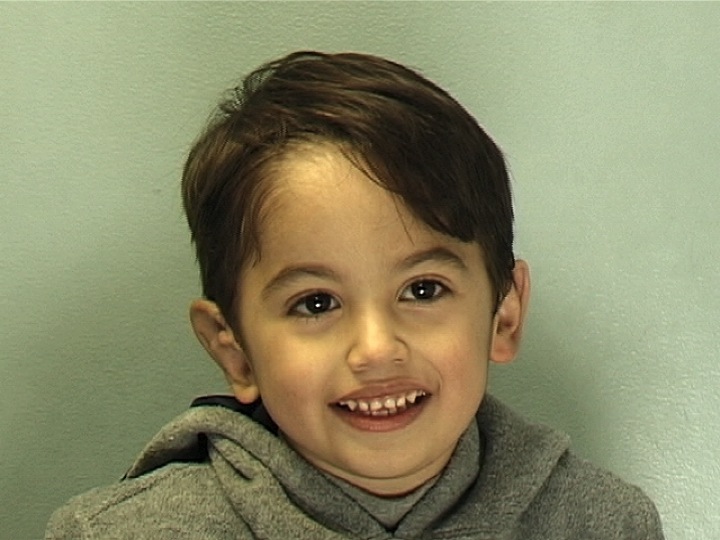
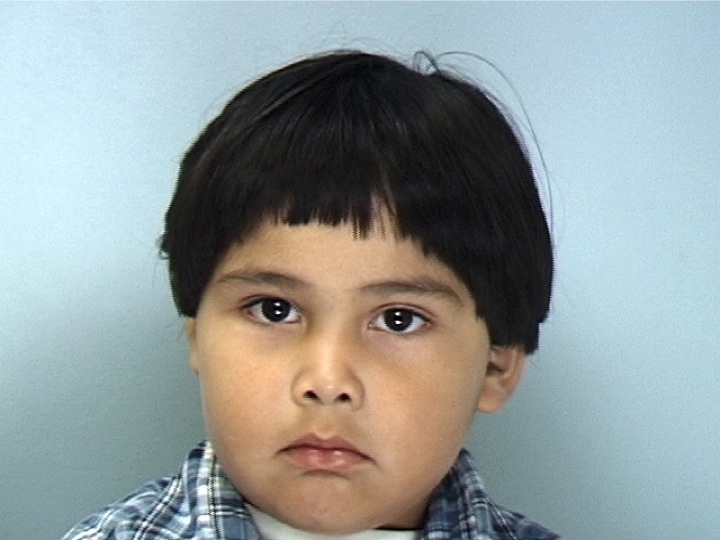
Before & After Photos
Patient 1
Before
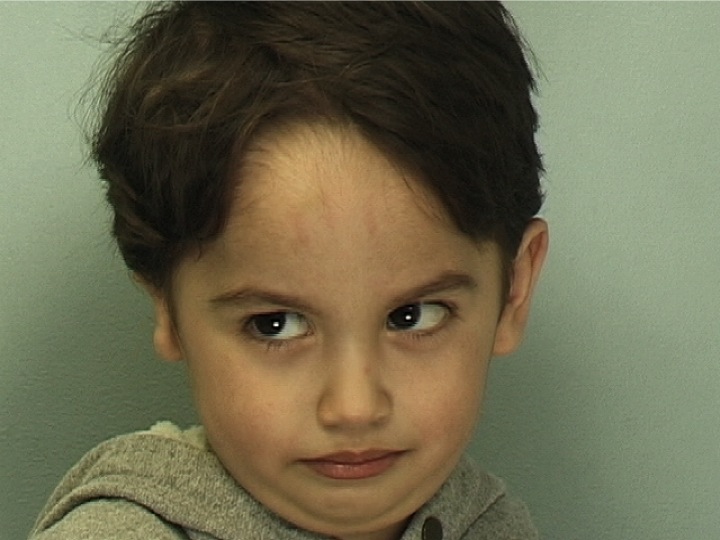
After
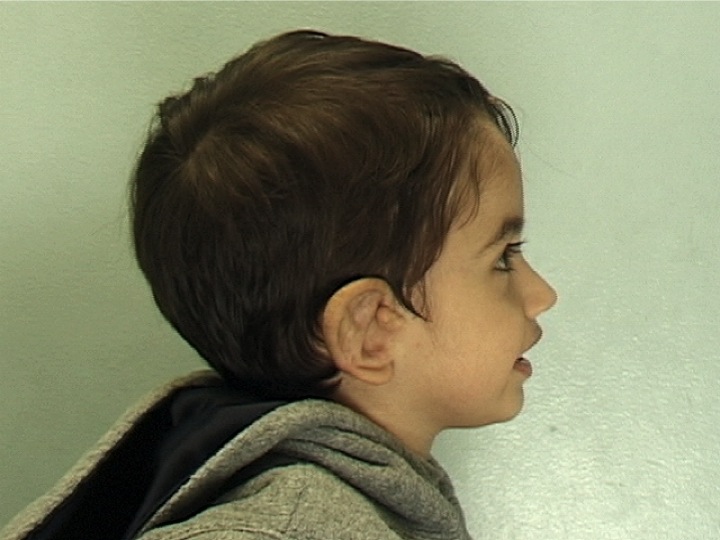
Patient 2
Before
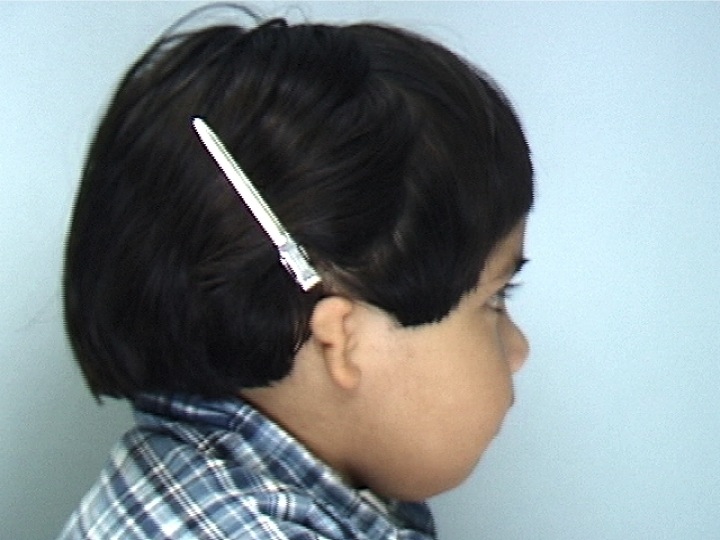
After